Table Of Content
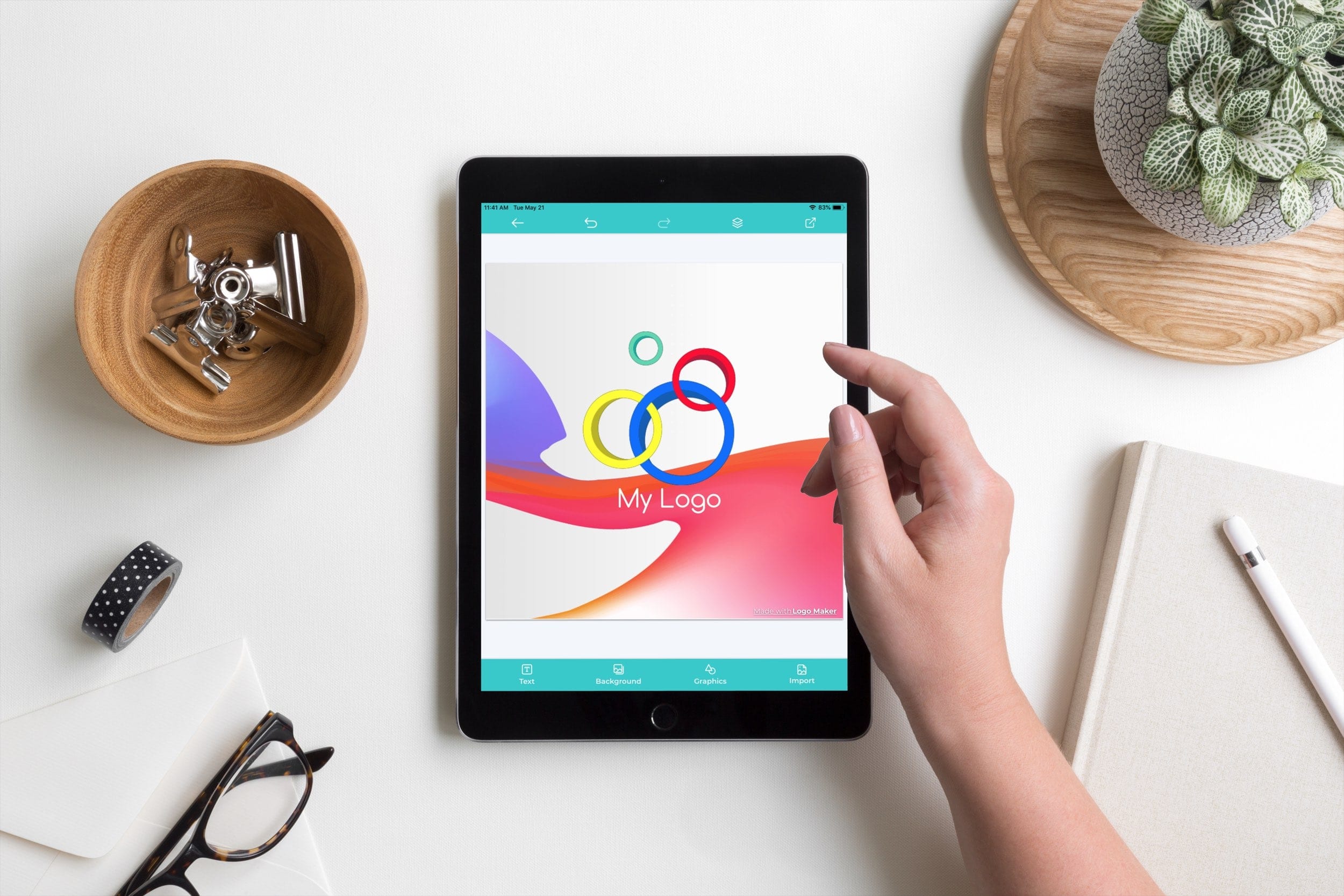
A cookie cutter app builder typically has a fairly simple user interface. Rapid app development limits the builder to whatever tool they’re using to create the app. You’ll only be able to use whatever that platform has to offer for functionality. You’re just simply configuring those tools in a way that works for your app. These platforms are typically promoted as solutions for people who aren’t technical. Creating share-worthy images for social media and advertising purposes has never been easier, thanks to the integrated features in this little design app.
Testing
This requires database servers and user authentication servers. You’ll also need robust security features to protect everyone’s information. This stuff isn’t required for a calculator app or a flashlight app. An app development platform is cheaper than low-level coding. Experienced developers in the US might charge $150 per hour, whereas a first-time developer working overseas might cost $30 per hour.
How to Design a Mobile App User Interface Like a Pro
Examples include button presses, hover effects, and notification animations, all of which enhance the overall user experience. The app design process may seem complex, but if you follow this guide and break it up into small manageable steps, it will get much easier. The more people you get to sample your app design, the more feedback you’ll have, and thus a better idea of what’s working well and what needs improvement. Constructive criticism will be your friend here, so don’t be afraid to dig a little deeper with your samplers and find out exactly what they think. There’s a plethora of easy to use wireframing tools out there that you can use to create your wireframes.
Create design specifications for your app idea
Wireframes can eventually be used to perform a click-through analysis. This step ensures that your users can navigate throughout your app with the least amount of friction, ultimately boosting the UX. Again, you’re not actually writing these workouts or composing the page elements.
Step #5 — Choose Your Development Method
Where do you find any friction or pain points within your competitors’ apps? Make sure to avoid those mistakes and improve in these areas when designing your own. To have a stunning and functional app design, you need to get these right first. When creating an app for your business, keep these trends in mind and share them with your team.
Making users feel like they have a friend in your app can help boost user loyalty and create a fantastic experience. And when it comes to gestures, make sure they are logical and match up with other apps. This will help create a smooth and effortless experience as users navigate through your app. Alright, now that you grasp how vital app design is, let's go more in-depth into guaranteeing your design meets your users' needs and expectations. For example, you might want to learn how to make an app for your ecommerce site.
Minimize user input
The best apps are scalable, reliable, and secure—but also achieve your goals. Ultimately, you can use bits and pieces of each one to create a design that blows all of them out of the water. Follow the apps that have paved the way by mirroring proven practices. You can also find vulnerabilities from your competition and use this information to improve in areas where they lack. Like any business venture, the first thing you need to do is identify your top competitors.
AI-Fuelled Mobile Design Apps - Trend Hunter
AI-Fuelled Mobile Design Apps.
Posted: Sat, 20 Apr 2024 12:01:28 GMT [source]
Ensuring a seamless voice experience involves designing clear voice prompts and considering the context of use. Dark mode continues to gain popularity in app design due to its aesthetic appeal and energy-saving benefits on OLED screens. Many apps now offer a dark theme option, and designers are incorporating low-light interfaces that are easier on the eyes during nighttime use. The trend extends beyond color schemes, encompassing design elements optimized for dimly lit environments. Microinteractions are subtle, often animated, interactive elements within an app that provide real-time user feedback or engage users in small ways.
Choose Main Screens
65% of all small businesses (including your competitors) have already built a mobile app. It is customary for users to dig into reviews and check out user ratings before downloading a mobile app. There’s a good chance that you are building your app with a partner or with the help of a team. Either, you should expect some sort of conflicting priorities from some key members. If your team of developers breaks down, the road ahead will be a tough one and your will app will likely flop. Conducting several QA tests throughout the creation of your app will help you deliver a product that’s bug-free and user-friendly.
These are great for beginners as you just have to add the code to your app. The platforms will deal with connecting you to ad buyers. If you want to make money from your app, you have to consider how you will do so. Apps have a high development cost, and effective monetization will help you get this investment back.
You can either hire a local freelancer or—if you don’t have any connections to designers yet—look at different designer portfolios online. Show your wireframes to your colleagues and friends and collect their feedback on the structure and navigation of your app. See if your testers find it intuitive and if all the screens and elements make sense to them. Your wireframe is a draft for your app’s visual architecture. You’ll take your goals and visual sketches one step further and create a basic “blueprint” of how your app is going to look, and how it’s going to function. You can do this very simply on paper first, but digital wireframes make things easier, especially once your wireframes are becoming more complex and detailed.
While orange and yellow are two colors that would typically fall within the same palette, combining them like this would be a nightmare for users. It would be a strain on their eyes to try and read yellow text on an orange background. So make sure you keep this in mind as you’re choosing the color scheme for your app. Mood boards will also clarify the vision for your app’s design and make it easy for multiple people and stakeholders to work collaboratively.
Good news is, I’ve distilled the 24 tools mobile app developers prefer to use. I’m confident that you’ll find the right tool with the functionality you need from this list of practical recommendations. If you want to learn more about any of these strategies, we have an in-depth guide to mobile app marketing that you can check out here.
Implement a project management system that works well for software developers. Agile development and scrum development are two excellent options to consider. Each small app project should be completed within a specified timeframe. Depending on the complexity of the task, this could range anywhere from a few days to a few weeks. Creating an app this way might be simple, but it’s not very flexible or customizable.
It’s a prudent way to safeguard your app from becoming part of the 99.99 percent. But most importantly, read this article to learn from the mistakes of many app builders, investors and entrepreneurs. We’ve seen people waste millions, literally, on building bad products or launching poorly designed apps. Accessible design and inclusivity have become central themes in app design.
To test if your wireframes are solid, you can create a click-through model using a tool like Invision. This will enable you to click through the screens you’ve planned and helps you test if the navigation you’ve set up makes sense. Just because there are many apps similar to what you’re going for doesn’t mean yours won’t be the one to trump them all.


No comments:
Post a Comment